
It’s become known as the ‘Mum and Dad’ scam and most likely you or someone close to you has received it.
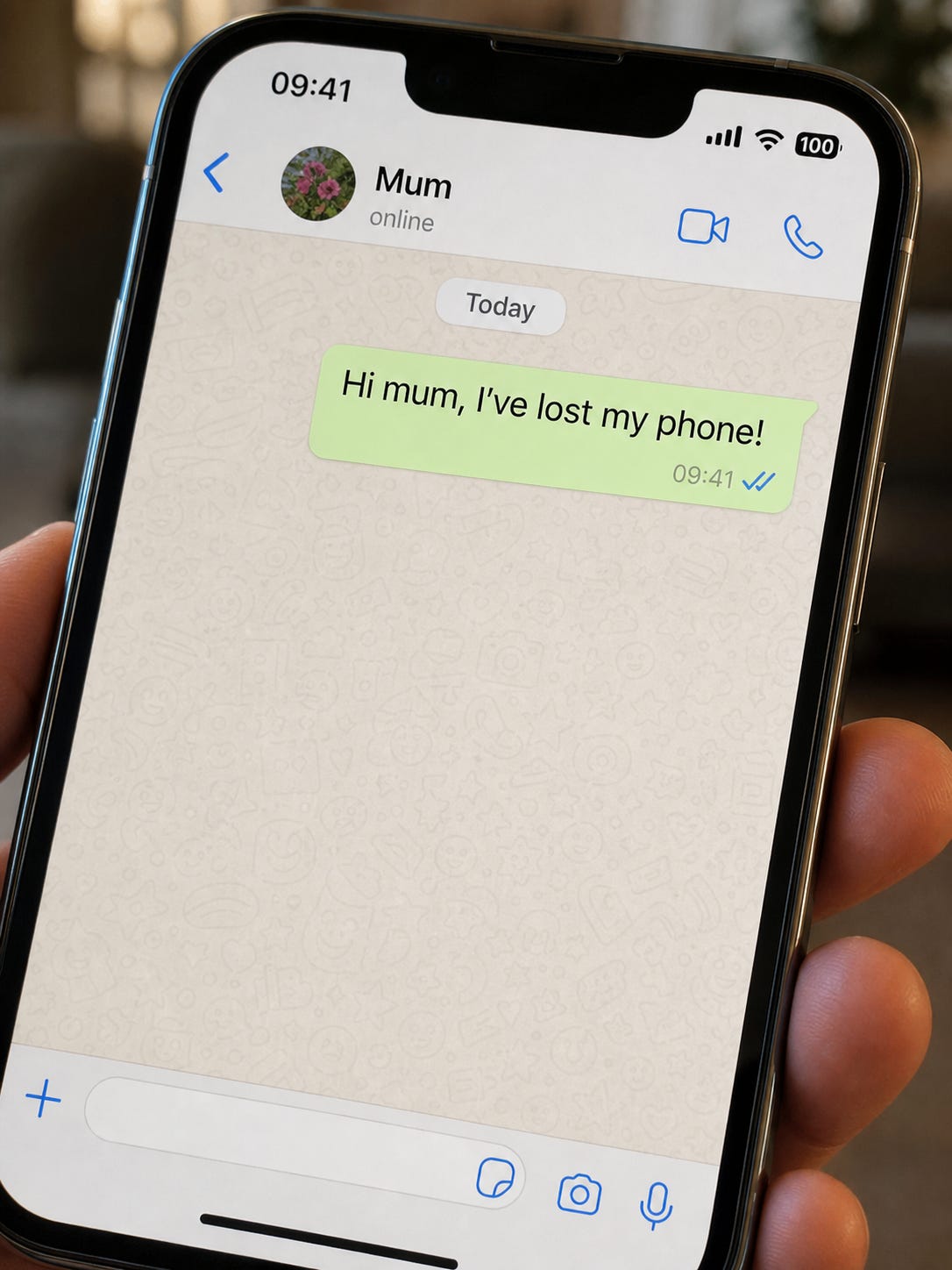
The scam is very simple and always starts like this - you get a message addressed to Mum or Dad, this can be on any messaging platform and it reads: “Hi Mum, I’ve lost my phone. This is my new number please delete the old one and start using this one.” So far there’s not a lot here to arouse suspicion. The scam begins in earnest within a few minutes when said child starts asking for money. The reasoning is often very convincing. A recent victim I spoke to who thought she was talking with her son described the exchange.
Scammer: Hi Mum, I’ve smashed my phone and had to get a new one. It was cheaper to get it with a new number. This is my new number ******* please delete the old one.
Mum: Which child is this?
Scammer: Your eldest!
Mum: Oh no … are you OK? What happened?
Scammer: I just dropped it. Really stupid.
One minute later …
Scammer: I need to ask a favour. I just had some tests done and I need to pay the doctor’s bills but my banking app is not set up on the new phone. Can you please pay them today and I’ll pay you back asap?
Mum: What tests?? Are you OK?
Scammer: I am fine. All came back normal. But I need to pay them today. Can you help? I hate to ask.
Mum: Sure.
That cost her £4,500. Just like that. Even in its simplicity there’s a lot going on here. Yes, the scammer gets some help when Mum asks which child this is and is able to get away without having to identify themselves by name, but the ask for money is very realistic and psychologically irresistible. Once the parent-child relationship has been established the introduction of a medical issue taps into the maternal instinct of concern, followed by the relief of “I am fine. All came back normal”, which becomes the perfect moment to ask for help. Heartless, but easy money.
This scam has been around now since the early 2020s. Exact numbers of how much money has been lost are hard to pinpoint, especially since many losses go unreported but it is thought to have taken tens of millions of pounds from UK victims. In terms of where it’s coming from, it could be anywhere in the world: scam compounds in Southeast Asia or closer to home. It is almost certainly organised crime, rather than some chancer randomly sending out texts.

In my last series of Scams: Don’t Get Caught Out on Channel 5, I met with Maureen in Liverpool. She was recently bereaved, with two daughters living abroad when she got a message from one of them on WhatsApp. The scam started in the usual way but when Maureen asked if this was Jenny, her daughter in Canada, the scammer’s profile picture changed to one of Jenny alongside her husband. That’s pretty convincing now right? Maureen is looking at her phone, showing a photo of her own daughter, how can she refuse her money for a new laptop? Once the scammer received the £1,400 for the laptop, they asked for more. Maureen sent more. This would have continued had Maureen not started to worry about having to settle the bill for her husband’s funeral. In a fit of panic she texted her daughter saying she needed to get back the money she’d lent. By a happy accident she texted Jenny’s old number and the scam unravelled.
So what happened there? Most likely Maureen’s number was on a ‘suckers list’. These are lists available cheaply online and contain numbers of what scammers would deem ‘easy marks’. People who have either been victims of scams before and could pay out again, or are considered a soft touch, easy targets. The old, vulnerable, widowed, living alone etc. In this case the scammers were able to find Maureen’s Facebook profile, quickly look up her daughter Jenny and use her photo for their WhatsApp profile pic. Cruel but easy money.
This year, Ofcom reported, four in ten (40%) UK mobile users over the age of 16 received at least one suspicious message on their mobile phone in the past three months. That’s 55 million people and suggesting around 100 million messages. With the average loss to the ‘Mum and Dad’ scam of £1,242, according to Barclays you only need a small fraction of people to send you money and you’ll be coining it. If only 1 in 40,000 people send money each month, the scammers would be taking home millions every year.

What lies at the heart of this scam underpins one of the biggest problems we have in security. Verification. Who are we communicating with? Who’s on the other end of the text message, the email, and now the phone call or video?
Identification generally happens in three ways:
Something I know - a password, PIN etc
Something I have - a fob, a key, ID card etc
Something I am - biometric, Face ID, thumbprint, iris scan etc
Ideally, we should be using all three at the same time but apart from high-security government-level environments or the military, I am not aware of everyday consumer environments where we do so.
According to the UK Finance Annual Fraud Report 2026 we lost £92.4 million to impersonation scams. This is scammers pretending to be the police, banks, and other trusted institutions. That is not to say that we don’t have good security we can rely on. Banking apps have done some excellent work in blocking out scams in the last few years.
However, we need to start asking ourselves — who am I really talking to here?
In July 2025 Sharon Brightwell received a call from her daughter, April Monroe, who was in distress. She told her mother she’d hit a pregnant woman with her car while texting and driving. A man then took the phone and claimed to be Monroe’s attorney. He told Sharon he needed $15,000 cash to pay her bail. She sent the money. Soon after she received another call from another man telling her the unborn child had died and the family were demanding $30,000 cash or else they’d sue. The scam was uncovered when her daughter texted her son who was with Sharon at the time. The money was lost. We cannot be sure that AI was used to replicate Sharon’s daughter’s voice but she insisted:
“There is nobody that could convince me that it was not [her voice] … I know my daughter's cry, even though she's an adult, I still know my daughter's cry.”
You can now generate perfect sounding AI voice fakes. As little as three seconds of someone’s voice can be used to create a convincing fake. Get hold of someone’s best-man speech, lecture, YouTube interview, self-tape and you’re in business. The tools to do this are inexpensive and available to everyone without the need of any technical know-how. Again, easy. Ruthless.
So, we’ve moved from just texts, to photos and now voices. You know what’s next don’t you?
In January 2024, Arup a British multinational design and engineering company behind world-famous buildings such as the Sydney Opera House, was scammed out of $25 million. An employee in their Hong Kong office received an email from the UK-based chief financial officer asking for help with a “confidential transaction”. Ironically, the employee thought it was a phishing scam and was ready to ignore it until he was invited to join a video conference with the CFO and other colleagues from the company.
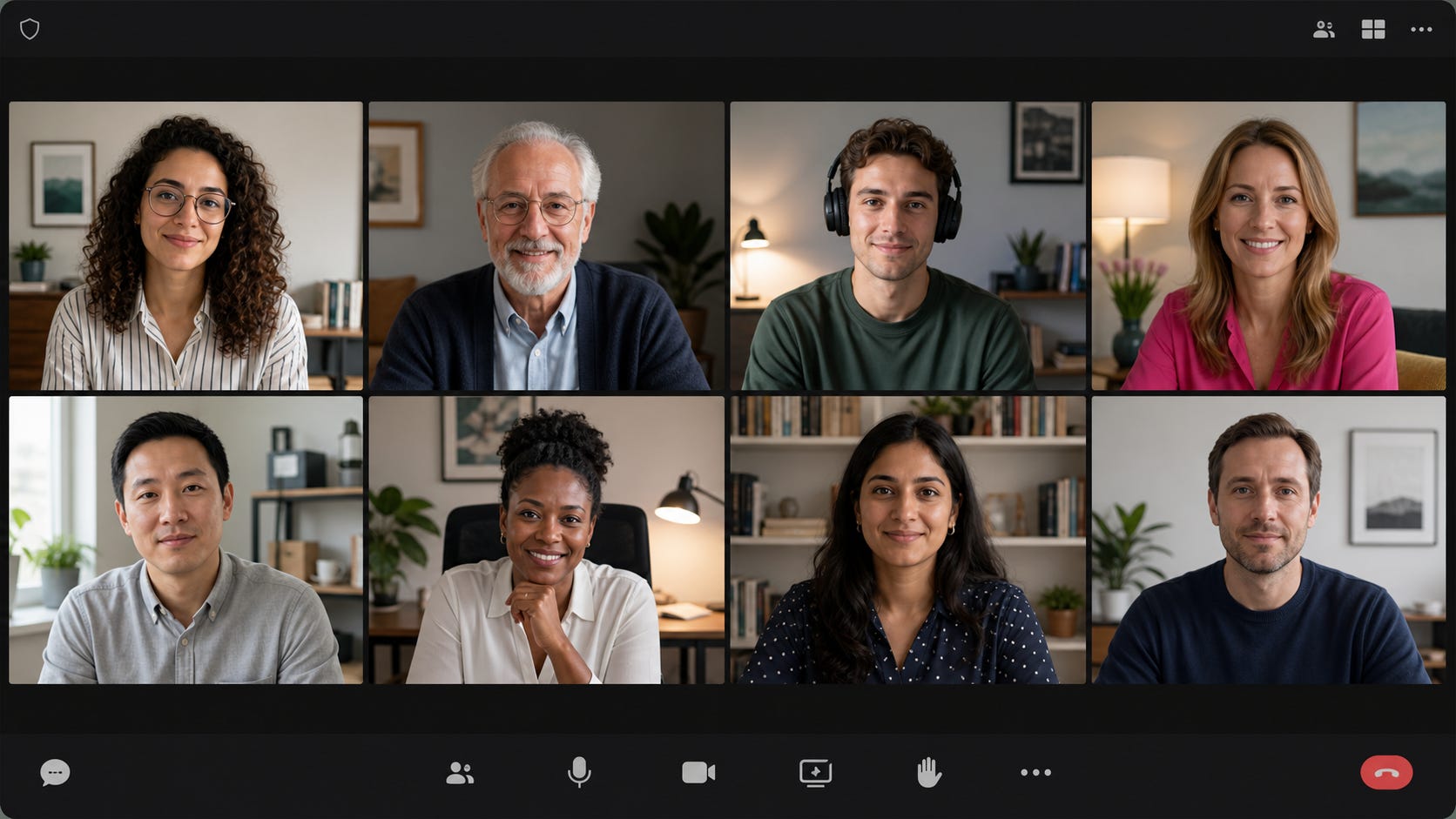
On the call they all appeared and sounded just like colleagues he recognised. They were all AI fakes. Now be honest — this would have worked on most of us. Pretty sure it would have worked on me.
Unfortunately, we have reached the point where you cannot trust your eyes and ears with absolute confidence. So, if the scams are getting more and more convincing, how on earth are we meant to keep safe? If your instinct is to rely on technology, I’m afraid that’s just wishful thinking. Yes, the tech is getting better at detecting fraud but the fraud is becoming more sophisticated. Instead of waiting for some tech company to fix it, and most likely charge us for it, we can do much better by using our own ability to tell if something is ‘off’. Some call it the ‘smell test’. Others, like my old show The Real Hustle used to always end with the phrase “If it’s too good to be true, it probably is.” I’m a huge fan of asking yourself — is this likely?
As a species we may not be the best at noticing small details but we are very good at knowing what’s normal. A little drop in your home or office temperature, you’ll notice. A strange smell, an unusual sound, a friend not acting quite like themselves. We are very good at picking up on things out of the ordinary and the truth is, for scams to succeed, something out of the ordinary has to happen. A child that has lost a phone, a daughter that’s been in an accident, a boss that wants help with a strange looking transaction. Had the victims asked ‘Is this likely?’ at any point, they might have saved themselves a whole lot of trouble.
Of course that may not be enough. These scams are very convincing but if it’s out of the ordinary then you must take extra steps to verify what is going on. If you are dealing with live video as in the Arup case asking someone to wave their fingers in front of their face could expose the fake image. Although, inevitably this has is now been dealt with by scammers as the tech has improved. Nevertheless, now that we know what is possible some extra verification steps need to be introduced — especially if you are being asked to send large sums of money to anyone.
In the case of the ‘Mum and Dad’ scam, or any scam which involves close family, calling the original number is the first step. If that fails then a pre-agreed ‘safe word’ is the next best thing. This can be a word, a phrase, anything that only you and your family have agreed together. Avoid pet names or anything that is in the public domain that scammers can get hold of from your social media.
Do this now. Make it obscure and random but memorable. It can really save you a fortune.

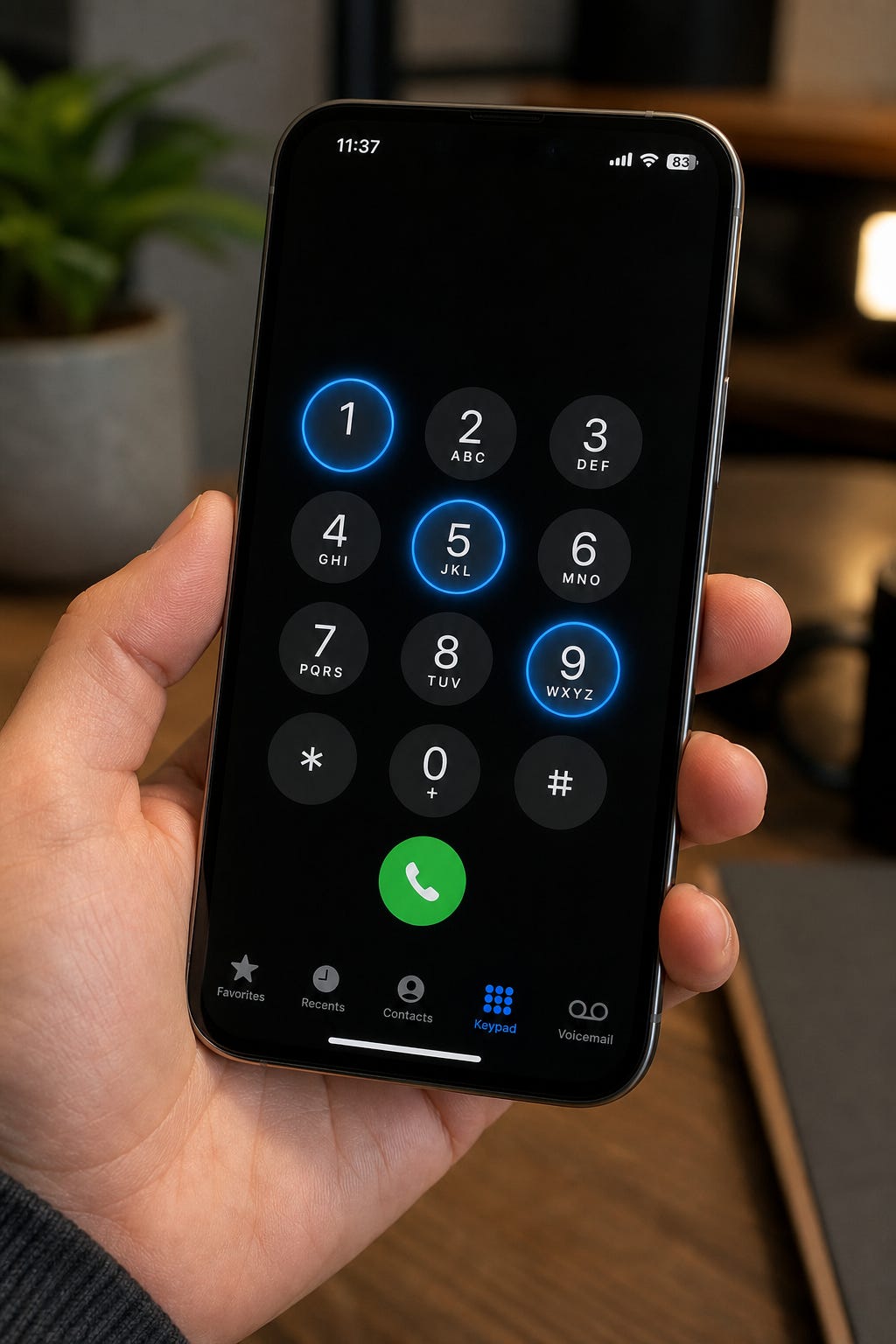
One last plea, do report all the texts you get. It’s very easy to do and the authorities do shut the numbers down so you could be helping prevent a vulnerable person from being scammed. To report messages, please forward them to 7726, it spells ‘spam’ on your numeric keyboard.
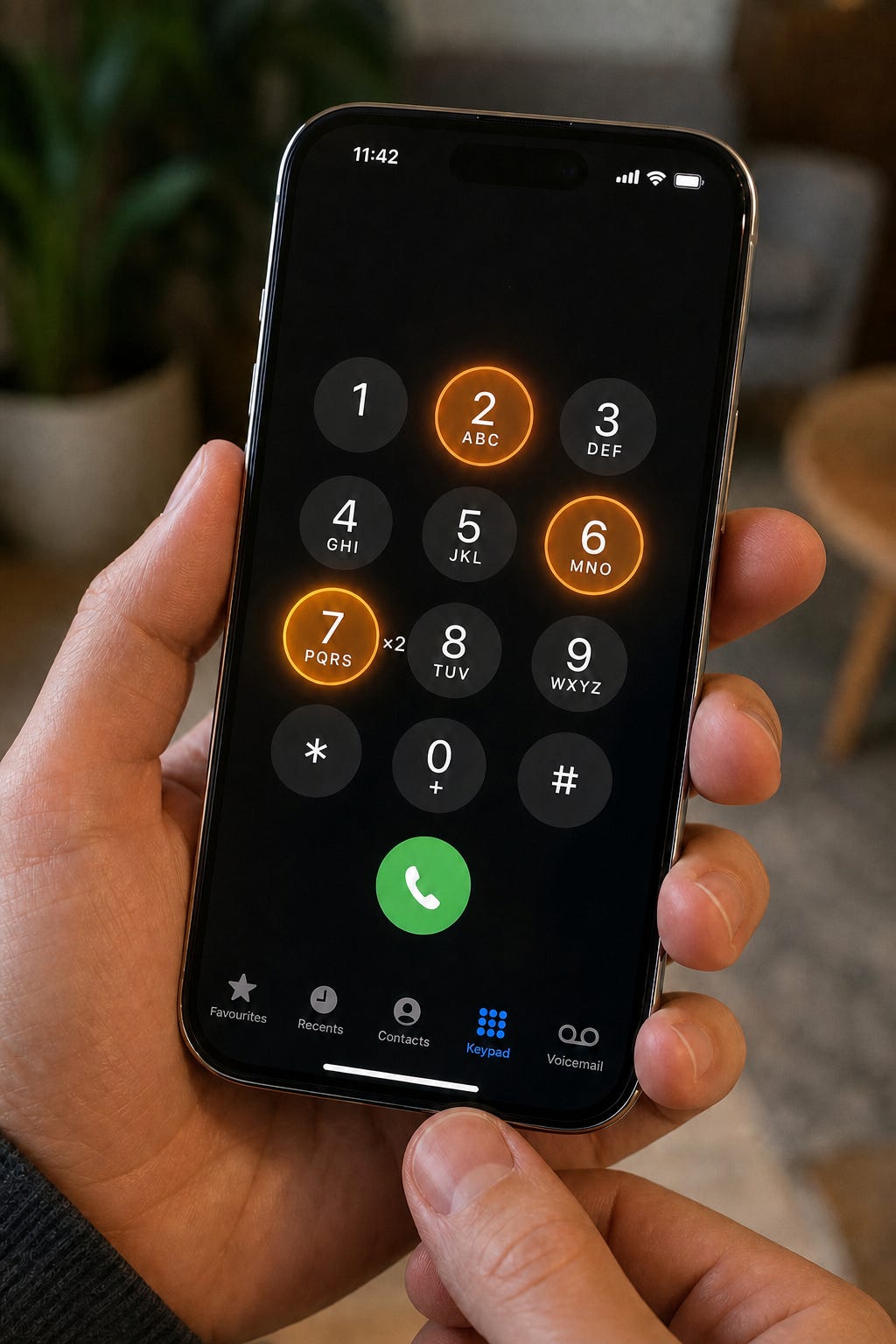
Finally, if you are worried that you may have sent money to scammers, report it straight away. This gives you the best chance of getting your money back. Simply dial 159 on your mobile phone and the menu will direct you straight to your bank’s fraud department. No faffing or looking up numbers, just dial 159.